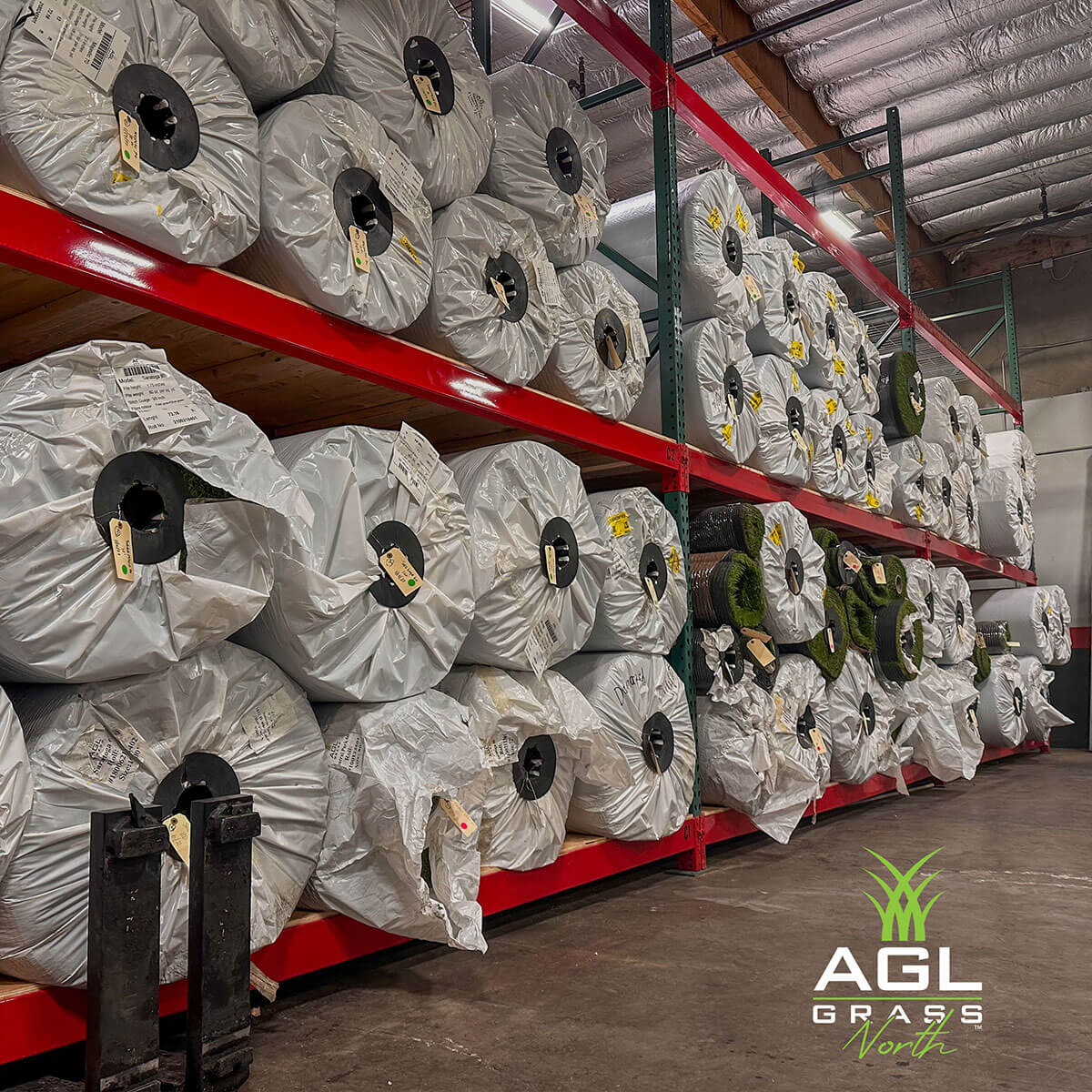
How long does artificial turf last in Northern California?
High-end synthetic lawns like AGL Grass can last 15 to 20 years with proper installation and maintenance, though actual lifespan may vary depending on regional climate conditions. In general, they outlast most natural lawns.
Jerry
Owner, AGL Grass North
Key Takeaways
High-end synthetic lawns like AGL Grass can last 15 to 20 years with proper installation and maintenance, though actual lifespan may vary depending on regional climate conditions. In general, they outlast most natural lawns. Most homeowners will enjoy consistent color and surface quality for much of that lifespan, although extreme weather, such as heavy snow, high heat, or intense sun, may impact longevity in certain areas. Understanding what drives these differences will help you anticipate your own lawn’s performance.
A major factor in synthetic lawn longevity is turf quality. UV-stabilized fibers, strong backing, and materials rated for your foot traffic are essential. Selecting a trusted manufacturer and the appropriate turf for pets, kids, or heavy use helps reduce abrasion and prolong turf life. Next, let’s look at how installation plays a critical role.
Professional installation is essential. Proper grading, drainage, and secure placement prevent waterlogging, shifting, and early failure. Certified installers, familiar with Northern California’s weather, effectively address both heavy rain and summer heat. As you consider durability, remember that weather and sun exposure further impact lifespan.
Sun exposure and weather affect synthetic grass lifespan, especially in Northern California’s sunny climate with wet winters and dry summers. Turf with advanced UV and heat protection and a drip-dry drainage base performs best through NorCal’s summers and winter storms. Maintenance practices can further support long-term results, which we’ll address next.
Synthetic lawns are not maintenance-free, but they are low-maintenance. Therefore, regular maintenance, including brushing, debris removal, rinsing, and deep cleaning as necessary, is still required. An easy, regular maintenance routine helps stave off moss, odors, and buildup that can shorten the turf’s lifespan. For a full picture, let’s compare this investment to natural sod.
The initial cost for quality artificial grass is higher than natural sod, but less water use, no mowing or fertilizing, and fewer replacements make synthetic lawns a strong long-term investment. Over time, most owners see lower yard care costs and increased curb appeal and property value. Regional factors also play a role, so let’s contrast Northern and Southern California conditions.
In contrast, synthetic lawns in Los Angeles typically last 15 to 20 years when installed and maintained correctly. Hotter sun, drier air, and dust from surrounding streets or canyons can age turf faster in Southern California, especially if cheaper products are used, or cleaning is infrequent.
With the basics outlined, you’re now ready to explore which specific qualities and decisions will actually shape your turf’s lifespan and overall value.
The Lifespan of Synthetic Lawns
High-quality synthetic lawns remain lush and uniform for years, often outlasting natural grass, which needs reseeding or repairs. With durable materials, solid installation, and minimal maintenance, top systems like AGL Grass typically last 15 to 20 years, sometimes up to 25, while retaining color and structure.
1. Turf Quality
Turf is the primary factor in synthetic lawn longevity. Premium yarns with state-of-the-art UV stabilizers, such as those utilized by AGL Grass, are engineered to endure sun, rain, and heavy wear without decomposing quickly. They stay greener longer and retain their spring better, so the lawn doesn’t look saggy or exhausted after a couple of seasons.
Inexpensive turf often uses inferior plastics and low-UV protection. That sort of product may look good at first, but you’ll spot matting, faded patches, or brittle blades in a few summers’ time. Premium turf resists these issues and can last 15 to 20 years or longer with proper maintenance.
Good backing also matters. Multi-layer backing and strong fibers maintain turf shape, resist stretching, and drain well, keeping the lawn usable longer. For long-term ease, choose turf from trusted providers.
2. Sun Exposure
The sun is probably the biggest culprit if you’re in a place with intense sunlight, like Southern California or Arizona. While Northern California also has sunny periods, summers there are milder but still require UV-resistant fibers. Artificial lawns are manufactured to withstand intense sunlight and prevent color fading or sun damage, so a properly installed lawn can last for years across different regional climates without significant color shift.
Direct sunlight heats synthetic grass, making it feel warmer than natural turf on hot days. Premium products are built so fibers and backing don’t soften, warp, or break down. Lower-grade turf ages soon, becoming flat or brittle after prolonged UV exposure.
In high-sun regions such as Southern California, select turf with advanced UV protection for hotter, drier conditions. In Northern California, focus on turf designed to handle a mix of strong sun and wet winters; this choice can be critical to extending turf life across each region’s unique climate.
3. Installation Method
Installation impacts turf lifespan. Professionals create a solid foundation, install good drainage, and securely anchor seams and edges to prevent movement, buckling, or water retention. Proper drainage keeps the base strong and the backing undamaged.
Proper installation reduces the risk of premature damage, as a level base distributes foot traffic and prevents fibers from leaning in the same direction repeatedly. It extends the typical residential lifespan to 15-20 years when the yard is well-maintained.
A poor installation can significantly cut that span. Low spots, poor seams, or clogged drainage can necessitate repairs, even premature replacement, negating the return on investing in quality turf in the first place.
4. Foot Traffic
Foot traffic contours turf longevity. For synthetic lawns used more heavily, such as sports fields, dog runs, or busy family yards, more durable fibers and stronger backing are used to withstand abuse and maintain their pile height even under consistent pressure.
High-traffic zones can still experience turf burnout sooner if left unbrushed. High-use zones, such as paths from a patio to a gate, may require a little more care or a more durable product.
To maximize the lifespan of a turf lawn, select turf rated for your actual use intensity: light use for a small front lawn or intense use for a play area. AGL Grass North offers options for residential applications and commercial spaces where wear and tear are important.
5. Maintenance Routine
Maintenance is minimal compared to natural grass, but still matters. Brushing, leaf blowing, and debris removal help blades stay upright and surface retain its shape and color over many seasons.
Something as simple as spraying the turf with a garden hose every once in a while to clear away dust, pollen, and spills can help prevent buildup that may affect drainage or encourage moss and weeds along the borders. In dirtier or smoggier climates, this little tip can contribute years to the life of your lawn’s freshness.
A simple maintenance routine, like rinsing, brushing, and periodic professional cleaning, helps sustain a 20+ year lifespan and keeps the turf looking its best, even in high-use yards.
Beyond the Warranty: A Realistic Timeline
Synthetic lawns last beyond the warranty. A warranty is a minimum guarantee, not the only factor for long-term value and appearance.
Best-in-class warranties on AGL Grass products reflect the materials’ design to last. A 15-year warranty provides confidence, though good turf often remains usable well beyond that period.
Nearly all synthetic turf warranties in the U.S. span 8 to 15 years, varying by brand, product line, and use case. Sports and heavy commercial areas are planned for replacement every 8 to 10 years due to continual play, cleats, and events. A front yard in a standard suburban setting, kids, pets, weekend usage, places far less stress on the fibers and infill than a high school football field or public dog park.
With regular maintenance, residential synthetic turf can last 15 to 20 years or more, especially in premium installations in temperate climates.
Lifespan isn’t just a matter of years on a spec sheet. It varies depending on upkeep, how many feet pound the same areas day in and day out, and the local environment. Burning sun, radiant heat from low-E windows, and constant exposure to high heat accelerate aging in hot spots, even on rugged products.
AGL Grass North-type systems are designed to handle high-traffic areas, but hot spots near glass, metal, or concrete still benefit from shade screens, window films, or minor design adjustments. Spending a few minutes once a month to flush, clear organic debris, and look for small issues can really give you many extra seasons beyond the warranty.
Homeowners typically recoup their investment in artificial turf within 3 to 5 years from lower water bills, reduced lawn services, and minimal reseeding. After this payback period, you can benefit from 10 to 15 additional years of low-maintenance use, consistent curb appeal, and long-term value. Choosing quality turf, committing to routine care, and considering Northern California’s unique weather ensures your synthetic lawn remains attractive and functional for decades. Ultimately, the longevity, savings, and enjoyment make artificial grass a durable, worthwhile investment for homeowners in the region. Next, let’s examine how Northern California’s unique weather shapes artificial lawn life.
How NorCal Weather Affects Turf
NorCal’s combination of wet winters, dry summers, and strong sun defines the expected lifespan of a synthetic lawn. Quality artificial grass systems are built to withstand significant swings in temperature and rainfall, with the backing, drainage, and fibers all impacting performance over 15 to 20 years. AGL Grass products are crafted specifically for this NorCal pattern, ensuring they survive winter storms and extended dry periods while providing a sustainable choice for homeowners. In the next section, we’ll take a closer look at common seasonal challenges, starting with summer heat.
Summer Heat
NorCal summers will push surface temperatures, especially in inland spots like Sacramento, the Tri-Valley, and parts of the North Bay. On scorching days, artificial lawn surfaces can climb to 174°F, which is harsh on bare feet and coarse on low-grade fabrics. The relentless barrage of hot temperatures and UV light can bleach out frail fibers, dry out backing, and make it brittle, ultimately leading to the degradation of lower-quality turf that still looked great in year 1 or 2.
Premium turf designed for heat holds its form and coloration under this pressure. Fibers with UV-stable polymers and added inhibitors prevent blades from drying out and breaking down as quickly, even when temperatures soar well beyond 150°F. In practice, that translates to blades springing back better after use, seams staying tight, and the field or lawn still looking lush instead of flat and patchy.
Heat-management tech keeps you comfortable. Modern fiber shapes, lighter color blends, and increased density combine to reduce surface temperature compared to older products. It won’t feel as cool as natural grass, which can reduce adjacent air and surface temperatures, but it can be less brutal than standard synthetic turf or bare rock xeriscapes, which some research has found can be hotter than vegetated spaces.
How well that heat resistance works depends on details: fiber density, infill type, color choice, and how the installer orients the turf in relation to the sun. For NorCal homes with long, hot afternoons or south-facing slopes, it typically pays to choose a heat-rated product and have a pro tweak design elements, such as lighter green shades and the proper infill, to decelerate wear and maintain lawn usability during peak-heat days.
Winter Rain
NorCal’s winter storms deliver bursts of heavy rain, and that water load can quickly reveal weak drainage and poor installations. A natural lawn becomes muddy, rutted from foot traffic, and thins in shaded or compacted areas. A well-built artificial system handles the same storm with a different approach: it moves water down, through, and out before it can pool on the surface.
The trick is a backing with sufficient perforations and a base with appropriate grading and aggregate. When that’s in place, water drains instead of pooling on top, so there is no waterlogging, no puddles, and no slippery film that collects on low-grade turf with clogged holes. About NorCal Weather and Turf AGL Grass employs modern drainage designs sized for NorCal’s heavier winter events, keeping surfaces playable for kids, pets, and the game even after back-to-back storms.
Since the top is artificial and the base is crushed stone, these lawns dry much more quickly than lawns on soaked earth. In many yards, people can be in them a few hours after a storm, rather than waiting days for matted mud to dry and harden. That’s one reason synthetic turf can remain in excellent condition for 15 to 20 years or more here, provided use and maintenance align with the product spec.
Drainage remains a function of proper installation. If the base is flat, the subgrade is poorly drained, or the contractor omits a drainage layer, moisture is trapped under the turf. Over time, that can cause odors, algae, or soft spots. For NorCal homes, it wouldn’t hurt to double-check that your design has a slope away from structures, sufficient base depth, and, on tight sites, French drains or channels capable of swiftly moving stormwater off the lawn and toward a safe outlet.
The Truth About Maintenance
Artificial lawns, or fake grass, require minimal maintenance compared to natural grass lawns, ensuring they remain attractive for 10 to 25 years, their expected lifespan when properly cared for.
How little work a lawn needs depends heavily on the product under it. Denser, higher face weight turf such as Royal 60 holds its appearance longer between brushings.
Routine Care
A clean, straightforward checklist keeps work low and results high. Basic routine care usually includes:
Remove loose debris (leaves, twigs, trash).
Pick up pet waste.
Hose down high‑use areas.
Brush the fibers.
Check for damage or lifted edges.
Raking leaves and cleanup is more important than you think. If they sit for weeks, they disintegrate into dust that sinks into the infill, holds moisture, and can reduce the lifespan of the backing.
These quick cleanups reduce stains and prevent the floor from feeling ‘crunchy’ underfoot. Pet waste will rise immediately. Solids trash and a quick hose rinse of the area, particularly in warmer climes where odors accumulate quickly.
Many owners hose down the entire lawn once after kids’ playdates or after heavy debris, which tends to be sufficient to keep it clean on a day-to-day basis. Just rinsing once a month will wash away dust and pollen that dull the color over time. A regular garden hose on a mist setting is good.
In arid, windy areas, the monthly rinse serves to cool scorched patches and maintain a healthy, even green appearance. Brushing the blades every month or two keeps them upright and less matted, particularly in traffic lanes, near patios, and by gates.
A stiff broom or plastic-bristle turf rake works well. During this brushing, a quick scan for lifted seams, loose edging, or small tears lets you repair minor problems before they become expensive to fix or require premature replacement.
Deep Cleaning
Deep cleaning once or twice a year benefits hygiene and appearance, particularly in homes with children, pets, or high activity levels. This isn’t just a quick hose-down; it’s designed to extract dirt, fine dust, and any buildup left behind by a standard rinse.
Professional turf cleaners can loosen grime, treat light stains, and flush out infill. They come in handy for those shady, moist spots where moss and algae tend to grow. That growth is typical in certain climates, but if you identify it early enough, it is generally easy to control.
Less harsh products are safer. Harsh chemicals, bleach, or strong solvents can degrade turf fibers, wash out color, or harm the backing and infill. Most quality systems are designed to withstand sun, UV, and heat, but not repeated exposures to aggressive cleaners.
Good deep-clean habits help support the original installation and help the lawn reach the high end of its 10 to 25-year potential.
Pet Odors
Scoop solid waste as soon as you see it.
Hose down ‘love spots’ after each potty time when you can.
Use enzymatic cleaners for stubborn odors. Adhere to label instructions carefully.
Opt for pet-approved turf systems with powerful drainage for new installs.
Allow the surface to dry completely between cleanings to reduce bacteria growth.
Immediate waste elimination is the single most important factor in odor control. Odors soak into damaged grass, but liquids drain through well-installed turf. In active dog areas, a quick hose-down helps flush out residue rather than letting it linger near the surface.
Certain turf lines, like AGL Grass pet-centric products, are constructed with enhanced drainage configurations and backing structures that help reduce odors and accelerate cleanups.
Combine that sort of system with consistent rinsing and appropriate cleaners, and you’ll typically keep pet zones functional and low‑odor for years. Enzymatic cleaners are great when the smell just won’t go away after rinsing, because instead of masking it, they break down the organic matter that causes the stench.
Used a couple of times a month in problem areas, they work alongside the turf components, which help protect fibers and support over time.
Why Professional Installation Matters
Professional installation lays out an artificial lawn to endure its full life, not just the easy first couple of years. This process influences turf drainage, foot feel, and durability under the everyday wear and tear of actual yards with kids, pets, and lawn chairs.
Ultimately, a professional crew begins by grading the area so water flows away from low points and doesn’t puddle. They construct a compacted base course at the proper depth and with the proper mix of crushed rock, so the surface remains solid and even rather than shifting over the years.
It’s that rock-hard sub base that makes a synthetic lawn able to withstand a lot of wear and tear, like dogs’ paws trodding the same trail each afternoon, jungle gyms, or patio lounges. It combats those soft spots and dips that appear a year or two after a hurried, cheap install.
Drainage is a big reason why a pro install matters. An artificial turf lawn requires a firm foundation and good drainage for water to flow through and away, particularly in areas with heavy rainfall or severe water restrictions that incentivize homeowners to turf.
When the installer knows how to set the slope, select the proper base material, and align the turf’s perforations with the base, water flows through instead of backing up. This helps the lawn dry faster, reduces the stench from dog urine or shallow puddles, and reduces the risk of mold or sludge forming beneath the lawn.
Quality drainage is connected to longevity, too. Turf with a stable base and effective drainage can last 15 to 20 years with simple maintenance.
Professional installers use premium infill. They stretch and secure the turf so it won’t wrinkle. They cut seams so they disappear into the pattern and do not remain as conspicuous lines.
Done right, the lawn reads as one continuous surface rather than a quilt of pieces. That professional edge work and proper fastening prevent seam edges from lifting as the substrate shifts with weather and wear.
Your DIY or super cheap installs tend to completely ignore base depth, drainage prep, or proper seam work. These shortcuts can void product warranties, cause premature wear, and lead to recurring issues such as bubbling, loose edges, and odors, which can be more expensive to repair down the road than a good job right from the start.
Selecting a certified, well-reviewed artificial turf installer maintains the warranty and provides a lawn that functions in the real world, not just on day one.
The Long-Term Financial Sense
Synthetic lawns are pricier upfront, but the long-term perspective is not. Count water, yard service, and repair bills. Well-installed premium turf usually winds up cheaper than natural grass over 10 to 20 years, particularly in U.S. Cities and suburbs, where water and labor are not cheap.
Here’s the long-term financial sense. No weekly mowing, edging, or blowing, so you can ditch a regular lawn service. No sprinkler system to run multiple times a week in summer, so water bills stay lower. You leave out fertilizer, weed killers, and most pest control related to turf care.
For the average home, natural grass costs $1,000 to $2,000 per year in combined water, chemicals, fuel, and paid help. Artificial grass, by comparison, averages closer to $150 to $300 annually for basic maintenance such as fiber brushing, dust rinsing, and infill top-ups. Over 15 years, that gap can quickly reach tens of thousands of dollars.
Those numbers are only half the picture. For the full comparison against a natural lawn in this region, see whether artificial grass is worth it in Northern California.
Durability is a large factor in the equation. Quality synthetic turf lasts 10 to 20 years, maintains color, and exudes a perfectly manicured, lush appearance year-round. It doesn’t thin out from shade, hard play, or summer heat the way natural lawns do.
That protects you from expensive repairs, such as resodding dead spots, battling fungus, and regrading compacted areas. Natural turf costs less initially, but many lawns require reseeding or sod every few years, in addition to repairs after drought, dogs, or a wild rager of a birthday party.
When you factor in those cycles over 15 years, the initially cheaper decision often becomes the pricier option.
The aesthetics and function of a lawn relate to the value of your property. A pristine, eco-friendly artificial lawn provides year-round street appeal with zero chance of brown patches during a showing or appraisal.
Buyers in many markets love the concept of low water use and minimal yard work. That can make your place shine, reduce market time, and justify a higher price or better offers. The more expensive first check for turf is not just a cost; it can serve as a long-lived upgrade that pays you back when you sell.
Lawn Type | Initial Install (typical yard) | Yearly Upkeep | 15‑Year Estimated Total |
Natural grass | $2,000–$5,000 | $1,000–$2,000 | Tens of thousands of dollars |
Artificial grass | $8,000–$15,000 | $150–$300 | Usually far less than natural |
Conclusion
How long do synthetic lawns last? Sun, kids, pets, and everyday use still punch hard, but quality turf with quality installation tends to wear well. Shortcuts with cheap blades, weak backing, or poor base work tend to reveal themselves quickly.
Let’s be real, turf is not ‘set it and forget it.’ It requires speedy rinse downs, brush-ups, and the occasional repair. In exchange, yards remain green through heat, water bans, and hectic weeks.
For next steps, review your yard usage, sun, and budget. Then speak to a neighborhood turf expert, request previous work, and sample turf grades. Let that pick a configuration that works with your lifestyle today and five years from now.
Frequently Asked Questions
How long does a synthetic lawn typically last in Northern California?
Who typically installs artificial lawns? The average lifespan depends on the quality of synthetic turf, the amount of foot traffic, sun exposure, and care. With expert artificial turf installations and minimal maintenance, many homeowners enjoy their green yard lasting long after the initial warranty period.
Do sun and heat in NorCal shorten the life of artificial turf?
Of course, intense sun and heat can accelerate the aging of artificial turf, particularly in inland areas. UV-stabilized fibers and cooling infill protect the fake grass. Selecting turf options rated for high UV resistance is crucial to maintaining their appearance over the decades.
How much maintenance does a synthetic lawn really need?
Maintenance of your artificial lawn is light but still essential. Regularly rinsing, brushing high-traffic paths, and removing debris will help your synthetic turf grass maintain its fibers upright and clean, ensuring it lasts longer and appears more like a natural grass lawn.
Will a professionally installed turf lawn last longer than a DIY one?
Typically, yes. Professional installers will grade and compact the base, ensure proper drainage, and properly secure seams. This prevents wrinkles, sinking, and poor drainage, which are common DIY nightmares that can shorten the lifespan of your artificial lawn.
Does artificial grass flatten over time?
It can, particularly in high-traffic areas or where you may sit or place furniture on an artificial lawn. Brushing the fake grass against the grain and using high-quality infill helps the fibers spring back, maximizing the synthetic turf’s lush, upright appeal. If you are interested in eco-friendly turf with a premium look and feel, look no further than AGL Grass North’s no-infill artificial grass.
Is synthetic turf worth the cost in the long run?
For most Northern California homeowners, investing in an artificial lawn can be a sustainable choice. You save on water, mowing, and lawn services, and over 10 to 20 years, these savings typically compensate for the initial cost while providing consistent green color and seasonal curb appeal.
Can heavy rain in Northern California damage synthetic lawns?
Not if it’s done right. A carefully laid, permeable base and drainage system can handle rainfall and allow water to move through the artificial lawn backing very rapidly. In nearly every NorCal storm, a well-installed synthetic turf drains more quickly than a traditional grass yard.
Read more

What Actually Makes Turf Safe for Dogs: A Placer County Owner’s Guide
Every turf company in Sacramento will tell you their pet turf is safe for dogs. None of them tell you what that means.
Jerry
Owner, AGL Grass North

How to Build a Backyard Putting Green in Placer County
Most backyard putting green guides are penned by companies eager to install one for you. This one is from the folks that stock the turf.
Jerry
Owner, AGL Grass North

Benefits of an AGL Grass Soccer Field
The 2026 FIFA World Cup is putting soccer in front of a new generation of players right here in AGL Grass North's backyard. A no-infill AGL Grass XL Pro Sports Turf field turns that excitement into a place to actually play, today and for years after the final whistle in July.
Jerry
Owner, AGL Grass North
The Best Artificial Grass for Sacramento Summers
Turf material, color, and infill all affect how hot the surface feels, with darker colors, commodity plastics, and rubber infill running hotter. Probing for details like cooling technologies, reflective pigments, lighter colors, and advanced fiber designs can help homeowners choose cooler-performing options, and AGL Grass has them.
Jerry
Owner, AGL Grass North
AGL Grass North Turf Remnants & Short Rolls
At AGL Grass North, we offer premium turf remnants and short rolls for homeowners, contractors, and DIY builders looking for a budget-friendly way to complete smaller projects. These discounted pieces come from the same no-infill, non-toxic, durable artificial grass our certified contractors install every day. Just in smaller cuts, sold as-is. If you’re working on a compact space or a quick improvement project, remnants and short rolls are an easy, cost-effective solution.
Jerry
Owner, AGL Grass North
Is Artificial Grass Worth it in Northern California?
Artificial grass allows Sacramento homeowners to reduce water consumption during harsh, dry summers and drought mandates. Check your local water district for rebates to help with the upfront costs.
Jerry
Owner, AGL Grass North
Santa Clara's Possible Infill Toxic Turf Ban: A Greener, Safer Future?
In recent debates over urban planning and public recreation, Santa Clara, California, is considering banning traditional artificial turf that uses toxic infill. The intent behind this possible action demonstrates an increasing apprehension for environmental security and public health. This morning, we'll unpack what this means and why no-infill artificial turf might be the holy grail we've been looking for.
Jerry
Owner, AGL Grass North
The Myth of No-Infill Artificial Grass
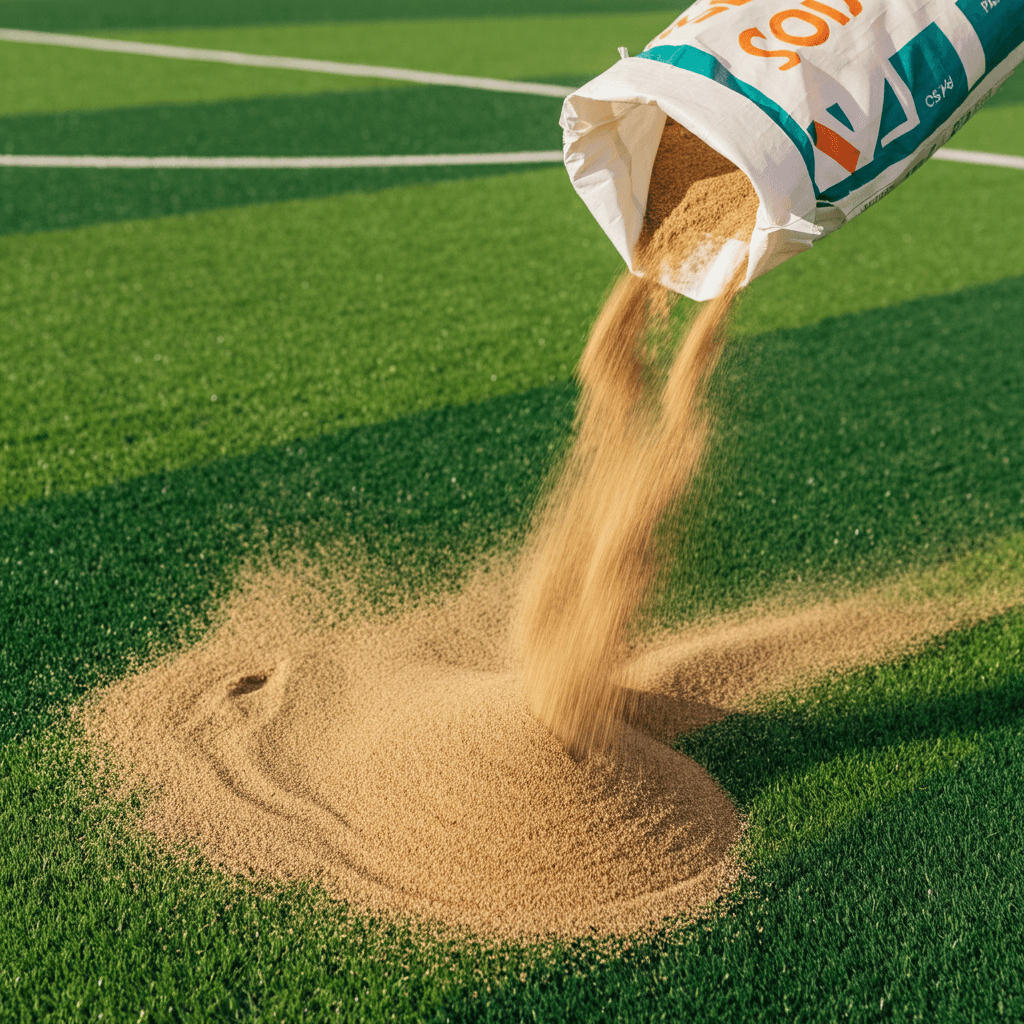
In this article, we will cover three myths surrounding synthetic turf and the supposed need for infill. Don't believe the hype.
Jerry
Owner, AGL Grass North
Transform Your Outdoor Space with Best-In-Class Artificial Grass
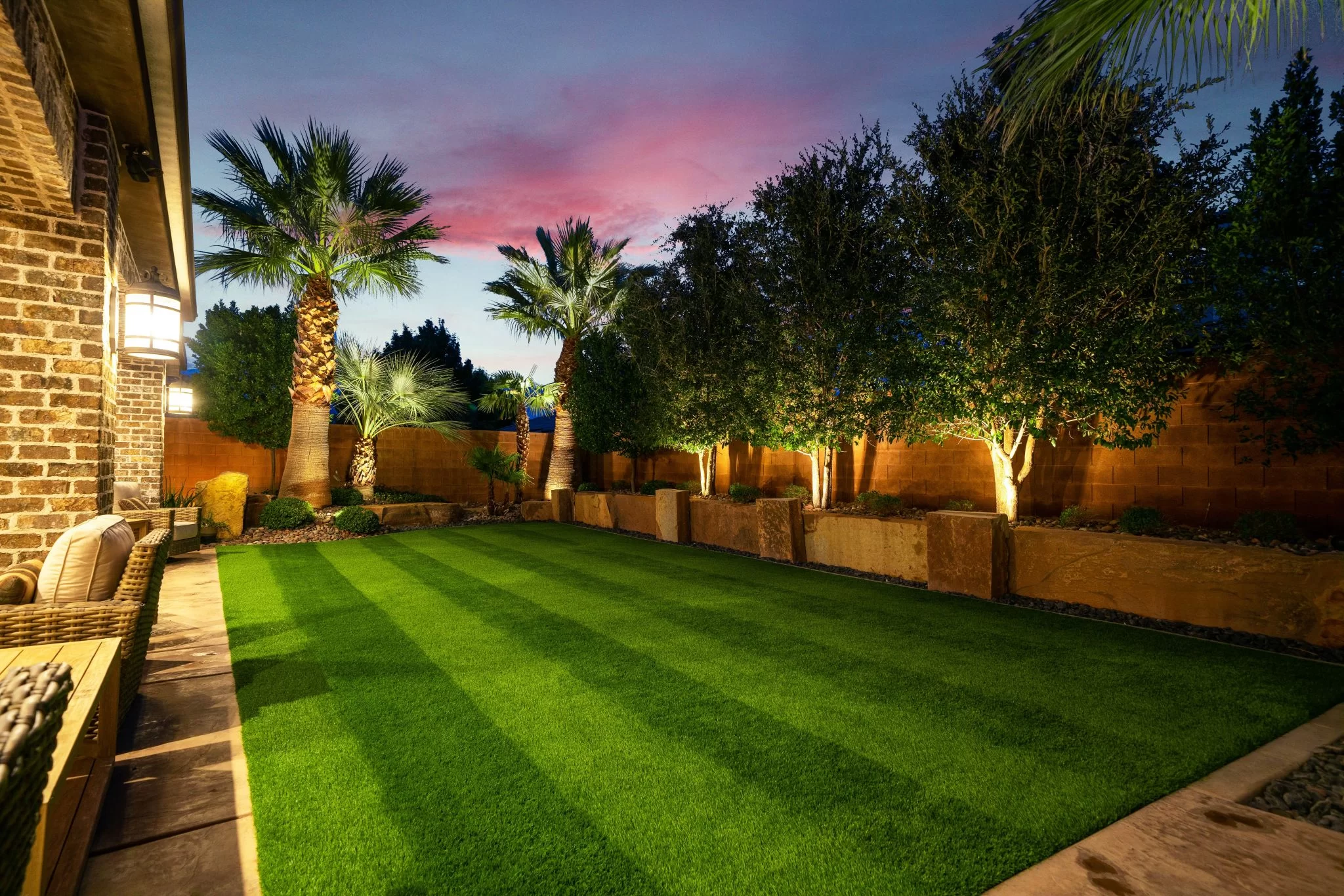
Most guides on artificial grass are written by companies that want to sell you an installed yard, which shapes what they tell you. This one is written by the people who stock the turf. Our showroom sits at 4445 Granite Drive in Rocklin, serving Greater Sacramento, Placer County, the Bay Area, the Central Valley, Reno, and the Pacific Northwest, with nationwide shipping beyond that. What follows is what actually differs between products, what Northern California does to a lawn, and where to go next depending on what you are building.
Jerry
Owner, AGL Grass North