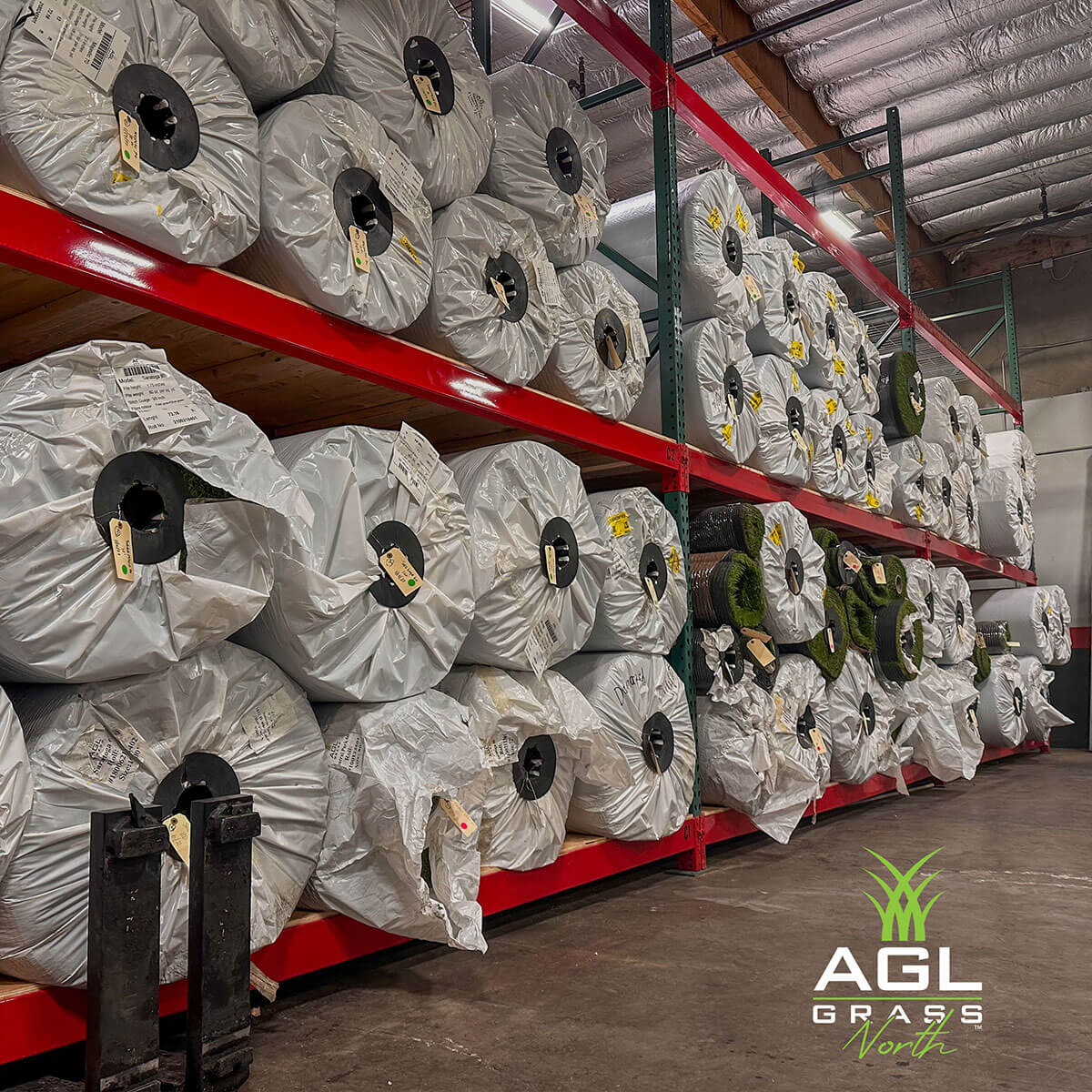
Is Artificial Grass Worth it in Northern California?
Artificial grass allows Sacramento homeowners to reduce water consumption during harsh, dry summers and drought mandates. Check your local water district for rebates to help with the upfront costs.

Jerry
Owner, AGL Grass North
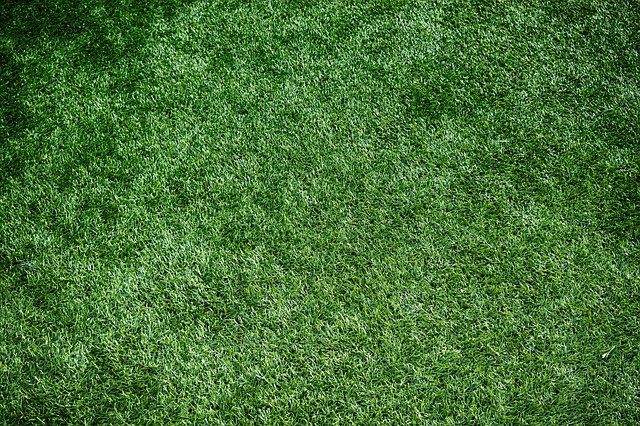
Key Takeaways
Long-term savings come from less watering, mowing, and lawn care services. Look forward to a lush green lawn all year round without the brown patches of seasonally bare spots!
Go with heat-resistant turf for Sacramento’s triple-digit days. Drainage and base prep, work together to help you deal with your local clay soil.
A proper install procedure involves stripping the lawn, compacting a crushed rock base, turf laying, and seam and edge fastening. Brush the fiber for a clean finish. No-Infill needed.
Tailor turf to your lifestyle with a pet-friendly backyard, putting greens, durable pool surrounds or bocce courts. Choose a pile height, and thatch color to balance appearance and functionality.
Factor in materials, labor, base work and disposal to get a sense of the actual cost in Sacramento. Get several local estimates and inquire about warranties, UV protection and maintenance.
AGL Grass North products in Sacramento are a popular choice for synthetic turf for lawns, commercial use, backyard golfers, playgrounds, and pet areas throughout the city. Homeowners opt for it to reduce water consumption in hot, dry summers and to prevent re-seeding after winter rain. AGL Grass North products are drought-tolerant blends with heat-resistant fibers, UV protection, without the hassle of toxic infill. Most installations qualify for local water rebates and homeowners associations. Next, prices, varieties, care, and advice for yards in the Valley’s weather.
Why Choose Artificial Grass?
Artificial grass is a great option for Sacramento’s dry, hot summers, providing an eco-friendly solution that keeps yards beautiful while saving water and reducing maintenance.
1. Water Savings
Sacramento depends on prudent water use, particularly in extended, rain-scarce summers and drought seasons. Artificial turf requires no watering, conserving thousands of gallons of water annually relative to an average sprinkler schedule. That decrease adds up quickly for front yards, side strips and pool decks where overspray is abundant.
Others trade high-use lawn zones, such as the parkway near the curb, for turf but maintain drought-tolerant beds elsewhere. Smart layouts cut water even more. There are no timer checks, no brown patches from missed cycles, and no runoff down the driveway into the gutter.
2. Lower Costs
Upfront cost depends on turf grade, site prep, and yard size. The long game is where many homeowners see the win: fewer water bills, no mower fuel, no seasonal reseeding, and reduced yard service visits. Over the course of a few years, those savings can make up for the install, particularly on bigger spaces.
On a budget? Take on the highest-use zones first, like the play area or dog run. Then complete the rest down the line. Opt for AGL Grass hard-wearing turf and solid base work to prevent repairs that devour savings.
3. Year-Round Green
Sacramento lawns battle heat waves, frost snaps and watering day restrictions. Artificial grass stays green and even, regardless of the season. It keeps its color through July scorchers and January cold mornings.
Heat is a legitimate concern. Turf can get hot in direct sun, but lighter yarns, and reflective backings all go a long way. Shade sails or a well-placed tree reduce surface temperatures around patios and pool edges.
4. Less Maintenance
No watering, no weekly mow, no fertilizing. Most care is quick: blow off leaves, rinse pet areas, and brush fibers in high-traffic spots. Weeds are few and far between with a quality weed barrier and compacted base, and spot treatments require minutes.
For kids or dogs, artificial grass means clean feet after a sprinkler session or a mini-rinse after pups. AGL Grass North products offer a softer, more forgiving surface than concrete, which is easier on feet and joints during those extended backyard days.
5. Increased Value
AGL Grass North provides premium quality artificial grass that is engineered to endure, with certain lines lasting as long as 25 years when installed properly and cared for through easy maintenance schedules. Reliable curb appeal is a resale booster, and buyers appreciate low-water, low-maintenance yards in Sacramento’s climate. In everyday life, synthetic turf installations transform neglected nooks into functional refuges for lounging, play, or a neat walking path around the pool.
Sacramento, CA. Climate Considerations
Sacramento’s warm Mediterranean climate influences the performance of synthetic turf installations, determining how artificial grass behaves, how it should be laid, and what eco-friendly maintenance practices are smart throughout the year.
Summer Heat
Summer highs can soar over 100°F, and the sun can be fierce on open south- and west-facing yards in Sacramento. To combat this climate, consider choosing an artificial grass lawn with heat-reflective yarns and lighter green tones like those from AGL Grass North. A medium-density pile with air-flow friendly backing assists in reducing surface temperatures, while certain infills, such as dark crumb rubber, can heat up. AGL Grass North products are engineered without the need for infill, ensuring they stay cooler than other synthetic turf installations. If kids or pets are on the lawn midafternoon, adding shade from a pergola or small deciduous tree planted to the west side can provide relief.
Surface temperature deserves its own look before you choose a product. We cover fiber shape, color, and backing in the best turf for Sacramento summers.
Window glare from low-E glass can scorch turf. Consider anti-glare screens, exterior shades, or a narrow hedge to break the reflection path. Have a quick-rinse hose ready; a 30-second spray cools the surface before play. If you have patios near hardscape, break it up with gravel bands or planter strips so heat doesn’t pile up across one massive surface.
Clay Soil
A large portion of Sacramento is situated on dense clay that retains moisture in the winter and compresses during summer. Start with a subgrade check: dig a small test hole and fill it with water. A slow drain means you need more drainage. For small areas, dig down 3 to 4 inches and for drive-on edges, 5 to 6 inches, then lay a foundation of 3/4-inch crushed rock beneath the decomposed granite for a solid, permeable base ideal for synthetic turf installations. Compact in thin lifts to minimize settling.
Install a perforated drain pipe along low edges or near downspouts if the yard ponds after storms. A plain ol’ french drain that dumps out to the street-side drain cleanout when permitted maintains dry turf and spares adjacent plants from root damage. Selecting artificial grass that comes with a permeable polyurethane or polyolefin backing with a high flow rating is essential. In the rainy months, proper drainage keeps waterlogged soil at bay, safeguarding base integrity and staving off stink.
In spring, mix turf edges with native plants like California poppy, foothill penstemon, or blue fescue to maintain a natural aesthetic and sustain bloom cycles. This combination not only enhances the beauty of your landscape but also works well with artificial turf solutions for a low maintenance yard that withstands heavy use.
Water Rebates
Water’s at the heart of it in Sacramento where more than a third of home water is used outdoors. Sacramento-area providers, such as the City of Sacramento and Sacramento County districts, typically provide turf replacement rebates, smart controller rebates, and efficient nozzle incentives.
Sacramento Climate Considerations – Peek at your utility’s website before you start. They generally need pre-approval, photos and a certain minimum square footage. Combine turf with drip irrigated beds and mulch to comply with program regulations and reduce runtime. A savvy controller on leftover zones keeps native and Mediterranean plants healthy without straining the city’s supply. Keep receipts, plans and after-install photos for reimbursement.
The Installation Process
This phase translates a design into an artificial grass lawn that suits Sacramento’s heat, clay-heavy soils, and water restrictions. A local consult first maps use, traffic, shade, and drainage, while synthetic turf installations can be tailored to address tree roots, irrigation lines, or low spots that hold winter rain.
Site Preparation
Crews mark utilities, cap or reroute sprinklers, and set finished grade to patios, walkways, and curb strips. Remove old sod and two to four inches of topsoil to minimize organics that can sink later. On cramped Midtown lots, small sod cutters and wheelbarrows are the norm, while in expansive Elk Grove yards, skid steers accelerate the haul-out.
Leveling comes next. Sacramento’s high clay soils frequently require additional grading to direct storm water toward drains or the street. Install geotextile weed block and base separation underneath, which is great if you’re near oleanders or Bermuda. Consider access paths, tool staging, and scrap removal as installs can be laborious on larger spaces.
Base Installation
A carefully constructed sub-base bears the turf and handles moisture. Most pros use 3 to 4 inches of class II road base or decomposed granite. Add 1 to 2 inches more if you’re in foothill properties or areas with slow drainage and grade a slight slope, about 1 to 2 percent, away from the house.
Pack in thin lifts with a plate compactor. Wet the base, pass three or more times, and go for ninety percent or more compaction. Level grades with a screed and a straightedge. Top it off with a thin layer of fines for a sleek but solid finish.
Where pooling is prevalent, adjacent to downspouts or retaining walls for example, install a French drain or perforated pipe to direct runoff. Adequate drainage is crucial for long-term looks and smell maintenance should Fido utilize the premises.
Turf Placement
Roll all the turf out with the grain towards your main view. Allow it to settle in the sun for 30 to 60 minutes. Cut edges with a sharp knife, leaving a little overhang to adjust later. Seams should have factory edges, seam tape, and adhesive, with blades lined up so the joint fades.
Lock down your perimeter first. Secure with 5-inch or 6-inch non-galvanized nails every 6 to 8 inches on edges and 12 to 18 inches in the field. In busy strips by driveways or school walks, close up the spacing. Specialized tools, such as a power broom, plate compactor, and turf kicker, help set fibers and seat infill.
Final Touches
To maintain your artificial grass lawn, broom to fluff or stand the blades up. No-infill needed if the products come from AGL Grass North. After a day or so, be sure to re-broom. Verify edges against concrete, tucking beneath metal edging, and caulk at hardscape joints if necessary. Conduct a water test to ensure runoff directs to drains and not the slab. Finally, a walkthrough will cover care basics, from leaf blowing to pet cleanup, and verify warranties.
Your Sacramento Lifestyle Upgrade
Artificial grass transforms daily life in a city like Sacramento, which is dry and prone to heat, making it a great option for homeowners. It reduces weekly chores, smooths out expenses, and maintains its pristine appearance even as summer lingers on and winter delivers those freeze-thaw fluctuations.
Pet Areas
Dogs and cats enjoy a soft, level surface with artificial grass for draining after hose-downs or the occasional rare storm. Premium synthetic turf installations like AGL Grass for pets, with permeable backing shift water quickly, ensuring no odors and a dry surface for immediate play. Good ventilation in modern infill prevents those hot spots near patios and south-facing fences.
Opt for short pile (roughly 1 to 1.25 inches) for easier cleanup, along with a no-infill system, which gives odor nowhere to collect. A border of crushed rock underlayment prevents gophers from pushing up, and a rinse station by the side yard makes daily care easy. In hot spells, a quick spray chills fibers, while shade sails over kennels score on west-facing runs.
Weekly upkeep is light: quick debris sweep, spot rinse, and an enzyme spray in high-traffic zones. Many of our pet owners mention that their pets nap outside more since the floor is flat and padded.
Putting Greens
Home greens can occupy narrow side yards, large swaths, or small nooks in Sacramento. The AGL Grass products, Golf Leisure provides a dense base and short fibers for a true roll, while Kent Fringe Grass frames chips without scalping. Toss in a couple of cups, a slight incline and a chipping pad at 15 to 30 feet for actual practice.
Lights carry play into warm nights, and a mini French drain near low points manages winter rains. A monthly brush against the nap direction replenishes speed, and a hand broom will suffice. Instead of bent grass, you eschew mowing, syringing, topdressing and relentless fungicide.
Pool Surrounds
Bare feet crave traction, not mud. Textured turf provides traction and dries splash-out, so puddles don’t hang around. It’s cleaner than concrete under oaks and there’s no dirt to drag into the water. Pick chlorine- and UV-stable fibers and trim with a drain channel at cannonball impact points.
Heat is the primary concern. Select lighter greens, include umbrella areas and refresh with a quick spray on triple-digit days. A leaf blower keeps away fall drop. A quick hit with the hose washes off sunscreen drips.
Bocce Courts
Bocce on artificial turf plays quick and true, with less ruts than decomposed granite. A compacted base, fine leveling, and low-pile turf keep balls true. Side boards establish boundaries, and a slender drain beneath one edge directs winter showers. Light grooming brings roll back to life, and night play requires just two path lights.
Water consumption declines dramatically, up to 55,000 gallons a year conserved on a 2,000-square-foot lawn, amidst harsh local restrictions and escalating rates. Your yard remains lush and green every single day of the year, with less mowing, edging and chemical cycles that strain budgets. Heat waves or cold snaps don’t scalp or brown the surface, so the look holds fast. Numerous homeowners experience payback from water savings alone in five years and less work and fewer repairs.
Selecting the Right Turf
Match the artificial grass to its use in Sacramento’s hot-summer, mild-winter climate. Consider factors like foot traffic, animals, and drainage when selecting synthetic turf installations. Not all artificial turf solutions are created equal; compare longevity, upkeep, and environmental considerations before you purchase. Also see AGL Grass North products for detailed descriptions, tech specs and images.
Pile Height
Pile height is crucial in determining the heat retention, feel, and maintenance of your artificial grass lawn. Shorter blades, about 1 to 1.5 inches, shed debris quickly and trap less heat, making them ideal for those scorching 95 to 105°F afternoons typical of July. They’re easier to brush and keep clean once dust or pollen settles, which is a significant benefit for homeowners looking for low maintenance options.
For patios and entry paths with consistent traffic, choosing a pile less than 30 mm (1.2″) is advisable. This selection maintains its form and resists matting from chairs, grills, and feet, making it perfect for synthetic turf installations. In shaded side yards or tranquil corners, a taller pile of up to 2 inches provides a velvety plush aesthetic, although it may require more upkeep.
Weight and density are critical factors as well. High-density turf stands fibers up straight and enhances durability in high-traffic areas, cushioning better on concrete pads. Opting for UV-stable fibers is essential to decelerate fading under the Central Valley sun, ensuring your artificial turf solutions remain vibrant for years.
Thatch Color
Thatch is the curly layer beneath the blades. It makes it realistic. Here in Sacramento, an olive-tan thatch blend typically blends with the foothills surrounding local lawns in late summer. Brilliant lime thatch can look too harsh versus native plantings and warm stucco.
Darker thatch does absorb just a bit more heat. The aesthetic win often trumps a minor increase in temperature. Test a few swatches outside at noon and late afternoon. See them by current shrubs, DG and fence tones.
If the yard sees winter shade, a neutral brown-beige thatch maintains a natural look when surrounding foliage lies dormant. For contemporary spaces with crisp edges, a muted beige thatch complements deep green blades for contrast.
Infill Options
Infill can, in some cases, maintain the uprightness of the fibers and provide weight while controlling heat. Rounded silica sand is the basic pick for artificial turf: affordable, stable, and fine for general use. However, infill can be toxic for children, pets, and loved ones. Pet spots can also contain microbial scents and stains that cause odor if not cleaned frequently. Combining these turf types with a quality drainage system is essential, and if necessary, a channel drain or French drain should be installed to enhance the durability of your artificial grass lawn.
Heat is an inland concern in California. Cooling infills can reduce surface temperatures a couple of degrees on peak days, but they can also clump up. Use at least 1 to 2 pounds of sand per square foot, depending on pile height and density, and brush the infill evenly to prevent low spots.
No-Infill Grass
No-infill systems such as all AGL Grass North products, which are part of the artificial turf solutions, rely on dense thatch and stiff fibers to stand up without the added weight of filler. They lay quickly, shed debris with ease, and minimize mess in pool areas or on rooftop decks. For pet owners, it is advisable to opt for permeable backing and incorporate an underlayment with excellent drainage because odor control is more a function of rinsing and base design.
The Real Cost in Sacramento
Costs depend on turf grade, site prep, and labor. A 600 square foot front yard in East Sacramento and a 1,000 square foot backyard in Elk Grove price out differently, and taking up old sod, correcting drainage, or adding a weed barrier raises the figure. Curves, putting green cuts, and tight side yards add time and waste. For a quote on your yard, contact AGL Grass North.
Water is the huge lever. Sacramento’s hot, dry summers drive high irrigation use, and roughly half of a normal water bill can be spent on lawn watering. That’s because artificial turf can save up to 55 gallons of water per square foot every year. A 1,000-square-foot lawn swap might save around 55,000 gallons annually. This not only slashes bills but also aids during drought calls. Some residents cite cleaner air as there are no gas mowers or blowers that need to be used, helping reduce small-engine emissions and weekend noise.
Continued expenses part ways rapidly. A live lawn carries monthly irrigation plus fertilizer, weed control, aeration, and mower maintenance every year. Artificial grass care is lean by comparison: debris pickup, a hose rinse in dusty months, spot enzyme cleaner for pets, and an annual power brush.
Run the long perspective. Over 12 years, a live lawn’s irrigation, materials, and labor outrun what synthetic turf costs to put in and keep. Even if you install less, say, a 400-square-foot side yard, the ratios remain true. The upfront cost is higher for turf, but the divide narrows in a few years and then continues to widen. For high-turnover Midtown rentals or homeowners with shady patches that never grow well, the calculations can be even more positive as you bypass repeat sod and repair cycles.
Conclusion
Sacramento yards battle hot summers, water restrictions, and clay soil. It’s AGL Grass North, premium artificial grass in Sacramento that keeps it cool. Lawns stay green through the July heat. Water bills plummet. Weekends are freed. Kids and dogs can play mud free. Front yards look ‘clean’ while back patios smell cool and clean for cookouts.
Choose turf that suits your lot, shade, and foot traffic. Go with AGL Grass North products that are no-infill, UV guard, and a base that drains fast after a Delta breeze storm. Schedule a professional installation if you desire seamless seams and fine edges around pavers.
Get a quote from AGL Grass North, request samples, and see a few finished projects. Call AGL Grass North in Sacramento at 1 (916) 251-7123 to speak with a turf pro and begin your yard design.
Frequently Asked Questions
How does artificial grass handle Sacramento’s hot, dry summers?
AGL Grass North products are premium artificial turf solutions that are UV-stabilized and heat-resistant, ensuring durability in extreme weather conditions. It won’t fade, even in 100°+ heat, making it a good option for those in Rancho Cordova. A quick hose-down cools the synthetic grass, and opting for lighter colors can enhance comfort.
Will artificial grass save me water in Sacramento?
Yes. By installing artificial grass, you can reduce outdoor water usage by as much as 60 to 70 percent. With no irrigation cycles, overseeding, or seasonal reseeding, it complies with local drought regulations and reduces your water bill 365 days a year!
What base is best for Sacramento soil?
A compacted class II road base over DG is ideal for synthetic turf installations, as it drains quickly and withstands Sacramento’s clay soil shifting, ensuring durability and proper drainage for an artificial grass lawn.
How long does installation take for a typical yard?
The majority of 500 to 1,000 square foot artificial turf installations require one to three days. This includes everything from demo, grading, and base compaction to laying synthetic grass, seaming, and final grooming.
Which turf should I pick for high-traffic family yards?
Select 60 to 80 oz face weight, 1.5 to 1.75 inches pile, and resilient blade shapes (W or C) for your artificial grass. Look for tuft bind over 10 lbs and a drainage rate exceeding 30 inches per hour, ensuring durability for children, pets, and events.
Is artificial grass safe for pets and kids in Sacramento?
Yes, if you’re talking about non-toxic, lead-free artificial grass solutions by AGL Grass North. No-Infill, just grass!
What’s the real cost to install in Sacramento?
Cost depends on site preparation, turf quality, and edges. Pet owners, curves, and tight access can increase it. Most homeowners experience payback in three to five years through water and maintenance savings.
More answers on warranties, drainage, pets, and product selection are collected in our turf FAQs.
Read more

What Actually Makes Turf Safe for Dogs: A Placer County Owner’s Guide
Every turf company in Sacramento will tell you their pet turf is safe for dogs. None of them tell you what that means.
Jerry
Owner, AGL Grass North

How to Build a Backyard Putting Green in Placer County
Most backyard putting green guides are penned by companies eager to install one for you. This one is from the folks that stock the turf.
Jerry
Owner, AGL Grass North

Benefits of an AGL Grass Soccer Field
The 2026 FIFA World Cup is putting soccer in front of a new generation of players right here in AGL Grass North's backyard. A no-infill AGL Grass XL Pro Sports Turf field turns that excitement into a place to actually play, today and for years after the final whistle in July.
Jerry
Owner, AGL Grass North
How long does artificial turf last in Northern California?
High-end synthetic lawns like AGL Grass can last 15 to 20 years with proper installation and maintenance, though actual lifespan may vary depending on regional climate conditions. In general, they outlast most natural lawns.
Jerry
Owner, AGL Grass North
The Best Artificial Grass for Sacramento Summers
Turf material, color, and infill all affect how hot the surface feels, with darker colors, commodity plastics, and rubber infill running hotter. Probing for details like cooling technologies, reflective pigments, lighter colors, and advanced fiber designs can help homeowners choose cooler-performing options, and AGL Grass has them.
Jerry
Owner, AGL Grass North
AGL Grass North Turf Remnants & Short Rolls
At AGL Grass North, we offer premium turf remnants and short rolls for homeowners, contractors, and DIY builders looking for a budget-friendly way to complete smaller projects. These discounted pieces come from the same no-infill, non-toxic, durable artificial grass our certified installation partners use every day. Just in smaller cuts, sold as-is. If you’re working on a compact space or a quick improvement project, remnants and short rolls are an easy, cost-effective solution.
Jerry
Owner, AGL Grass North
Santa Clara's Possible Infill Toxic Turf Ban: A Greener, Safer Future?
In recent debates over urban planning and public recreation, Santa Clara, California, is considering banning traditional artificial turf that uses toxic infill. The intent behind this possible action demonstrates an increasing apprehension for environmental security and public health. This morning, we'll unpack what this means and why no-infill artificial turf might be the holy grail we've been looking for.
Jerry
Owner, AGL Grass North
The Myth of No-Infill Artificial Grass
In this article, we will cover three myths surrounding synthetic turf and the supposed need for infill. Don't believe the hype.
Jerry
Owner, AGL Grass North
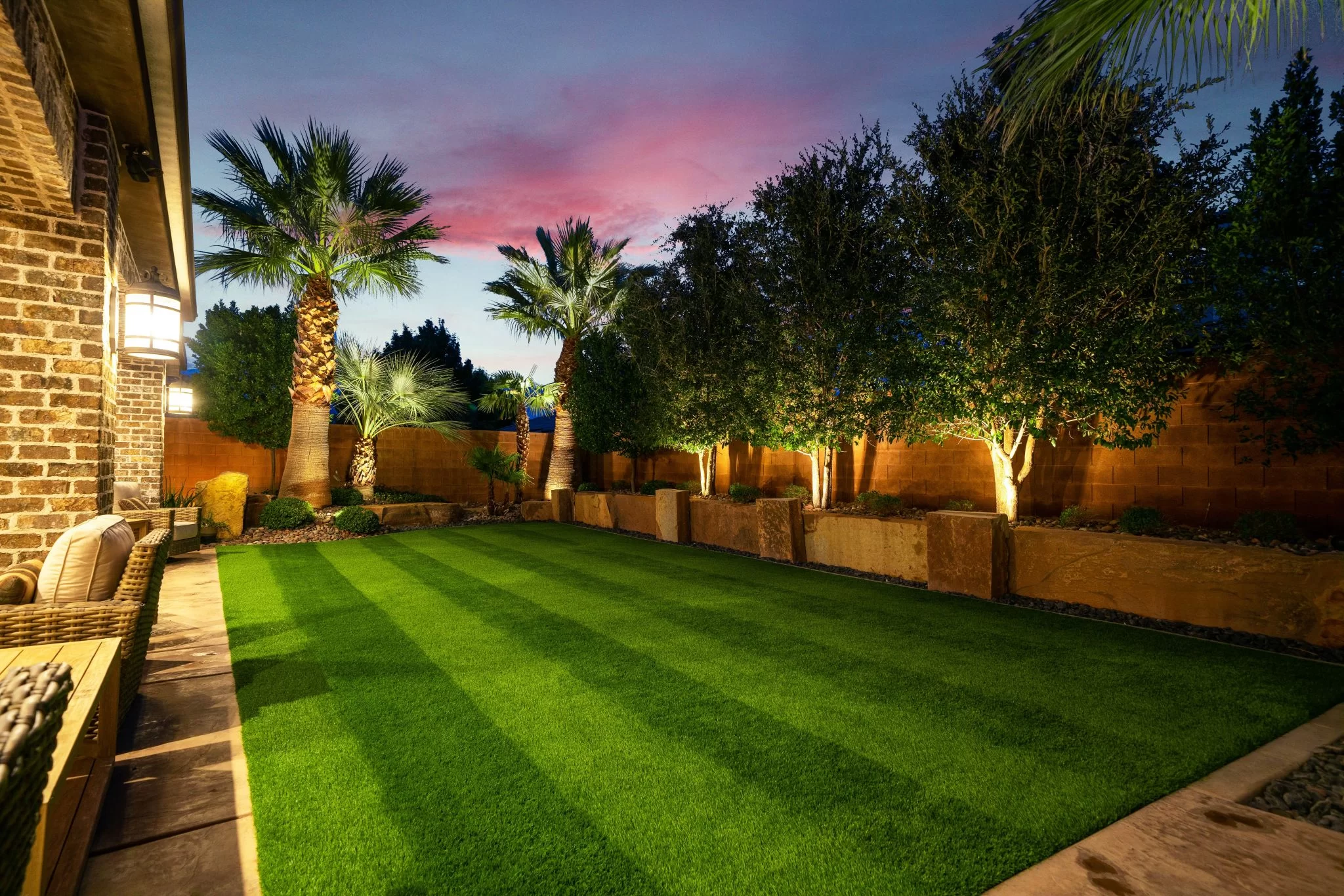
Transform Your Outdoor Space with Best-In-Class Artificial Grass
Most guides on artificial grass are written by companies that want to sell you an installed yard, which shapes what they tell you. This one is written by the people who stock the turf. Our showroom sits at 4445 Granite Drive in Rocklin, serving Greater Sacramento, Placer County, the Bay Area, the Central Valley, Reno, and the Pacific Northwest, with nationwide shipping beyond that. What follows is what actually differs between products, what Northern California does to a lawn, and where to go next depending on what you are building.
Jerry
Owner, AGL Grass North