How to Build a Backyard Putting Green in Placer County
Most backyard putting green guides are penned by companies eager to install one for you. This one is from the folks that stock the turf.
Jerry
Owner, AGL Grass North

The infill question comes first
Nearly all Placer County synthetic putting greens have sand tamped between the fibers. That sand does some work. It weighs the turf down, holds blades upright, and lets an installer tune ball speed by adding or removing material.
It causes the issues that pop up two summers later. Sand moves. It sinks into low spots, it washes toward the fringe after a heavy Auburn winter, and it piles up in the spots you cross most often. That’s where flat spots and dead roll originate. Topping up infill turns into a regular maintenance task that no one talked about at quote time.
Golf Leisure was built to jump over that whole thing. Its 40-ounce face weight is dense enough that the fibers support themselves, so the surface maintains its roll without sand assistance. If you want to toughen it up and add ball speed, you still can. Sand, as opposed to being structural, is optional, the reverse of how most putting green turf is constructed.
That one choice transforms the maintenance equation for the green’s lifespan.
What the numbers actually mean
Putting green turf gets sold on adjectives. Here’s what to read instead.
Pile height
The length from the backing to the blade tip. On a putting green, shorter is quicker and truer. Golf Leisure is 9/16 inch, which is right in that sweet spot for a firm, consistent roll. Anything much taller starts behaving like a lawn: the ball sits down in the pile, breaks die, and short putts stop tracking.
Face weight
Ounces of yarn per square yard, exclusive of backing. That’s density. Golf Leisure weighs 40 ounces, with a total construction weight of about 73 ounces per square yard. Density prevents footprints from becoming permanent, and it’s the figure most likely to be silently low on an inexpensive green.
Drainage
Golf Leisure percolates at around 11 inches an hour. A green that drains slower than the ground beneath it becomes a puddle after a Loomis storm. This number is worth inquiring about on any product you examine.
Fiber type
Golf Leisure is nylon, not polyethylene. Nylon is more expensive to manufacture, and it is what actual practice greens use because it springs back after being stepped on and is durable against repeated wedge strikes. Polyethylene is softer and cheaper, and it lays down over time.
It’s European-made and heavy-metal free, which counts if your green doubles as a playground for kids and dogs.
The fringe is not optional
This is where most backyard greens fall apart and where most guides end.
A putting surface with no surrounding reads as a green rug in the yard. It provides no chipping area, which means you have constructed a putting green, not a short-game area.
That’s what Kent Fringe Grass is here for. It’s a taller 1-3/16 inch pile at 44 ounces, with field-green and olive-green blades over a field-green and jute thatch. It weighs approximately 78.5 ounces per square yard and drains around 60 inches per hour.
The elevation difference is the entire object. Going from 9/16 inch to 1-3/16 inch provides a visible, playable edge. Balls slow at the collar like they do on a course. You can drop a wedge shot into the fringe and chip and run onto the surface instead of pitching onto carpet.
Kent drains far more quickly than the putting surface, which is the right relationship. Water takes off the green and away through the surround instead of sitting at the edge.
Sizing and layout for a Placer County yard
Yards in Rocklin, Roseville, and Lincoln run on the compact, rectangular, and sloped side. Granite Bay and Auburn lots tend to be a little larger and more irregular. Both work, but they demand different greens.
Small yards. Two to three cups. Fight the temptation to add more. Cups require actual separation to provide you with different putts, and congesting them causes every putt to feel identical. A smaller green with real pin placement variation is better than a large one with four cups in a row.
Mid-size yards. Three to four cups, and this is where contouring really pays off. A dead flat green teaches you nothing. If you’re going to build in just one topographic feature, make it a subtle rise on one side so you get uphill and downhill putts from the same cup. That’s where the practice value is.
Large yards. Four to six cups, along with a dedicated chipping approach in Kent Fringe. At this size, you can build separate zones: a fast section for pace work and a contoured section for reading break.
Two things that trump cup count. First, orientation. A green running downhill on a Loomis slope plays fast one way and slow the other, which is either a bonus or an irritation, depending on whether you designed it that way. Second, the sun. In Auburn and Granite Bay, shade from our trees sweeps across a yard throughout the day. Nylon stands up in full sun, so select your spot for playability, not for shade.
Buying the turf without buying the install
Here is the option nobody in this market advertises: you can buy the material.
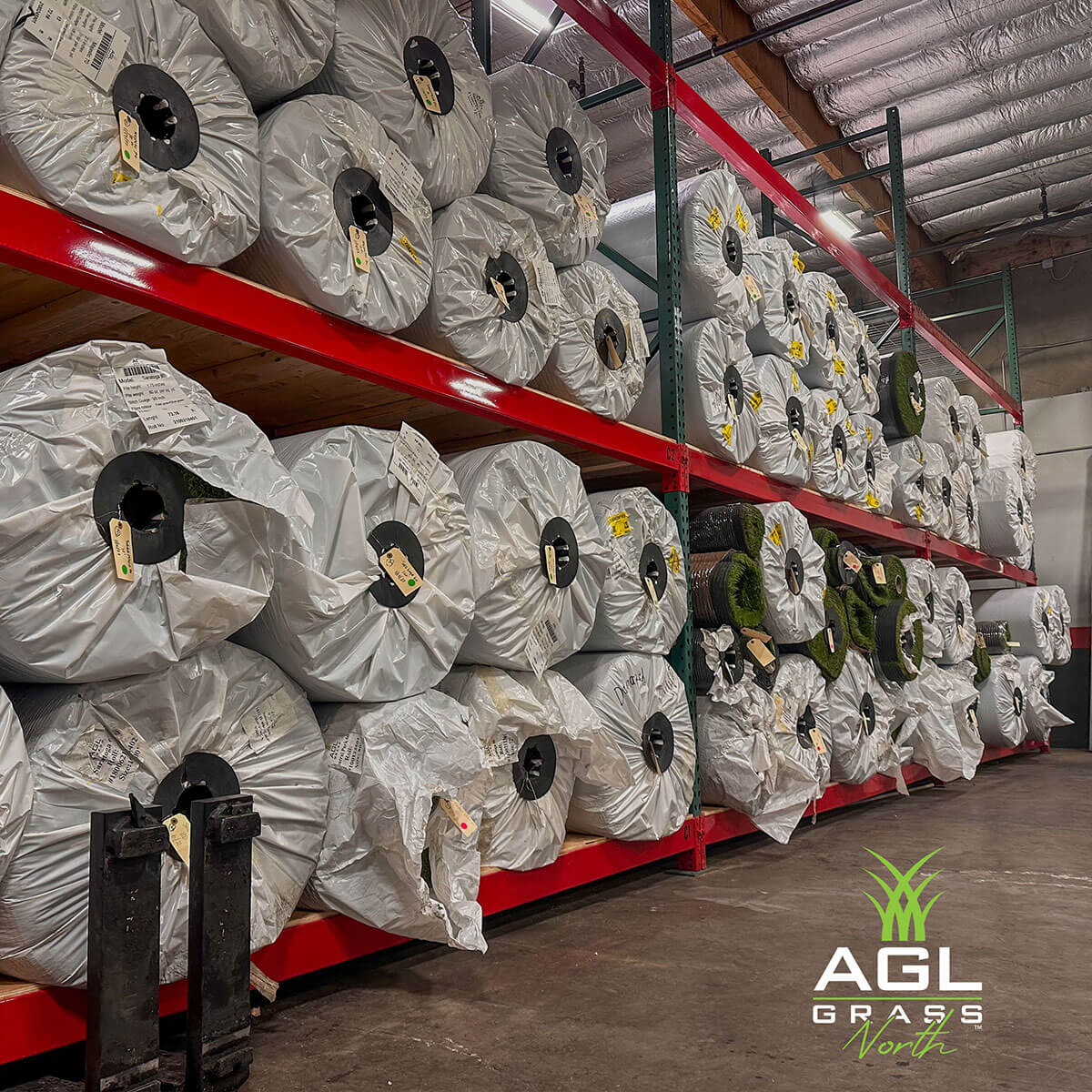
Everything on this page applies to the backyard putting greens we supply. Our Rocklin showroom carries Golf Leisure and Kent Fringe Grass as well as the seam tape, glue, cutters, and turf spikes a green really requires. Whether you’re a contractor constructing for a client, a homeowner handy with a compactor and a screed, or just want to see and feel the turf before you invest, you can walk in and feel both products side by side.
Small greens are a great fit for turf remnants and short rolls, which are premium quality pieces in shorter lengths. A modest three-cup green in a Rocklin side yard seldom requires a full roll.
If you’d instead have it built, that’s easy as well. AGL Grass North does not install. We connect you with certified installation contractors who install these products all the time, so the crew laying it down already understands how the material behaves.
Both paths start with the same thing: understanding the turf.
Getting the base right
Whoever does the work, the base decides if the green stays true in year eight.
Dig down evenly. Lay and tamp a crushed aggregate base, then a finer layer on top that can be screeded to your desired contours. This is where contouring really occurs and not afterward. Form the base, and the turf conforms.
Compact it thoroughly. An undercompacted base settles unevenly, and every settled spot is a dead area where putts wander. Cups sink through the turf into the base, so cup locations must be determined before the surface install.
Seams should run away from main putting lines wherever possible. A seam crossing your favorite line is the flaw you’ll see each and every time.
Frequently asked questions
Can I put a putting green in my backyard?
In almost every instance, yes. Putting greens are landscape surfaces, not structures, so they are generally exempt from permit requirements. Verify your homeowners association rules if applicable, as some Roseville and Granite Bay associations have front yard material restrictions. However, these seldom apply to the backyard.
What is the lifespan of putting green turf?
Excellent synthetic putting turf can last 15 to 20 years with a nice base underneath it. Golf Leisure carries the AGL Grass warranty of 15 years for residential use and 8 years for commercial. It’s hardly ever the turf that goes out first. A base that isn’t properly compacted will settle long before nylon fiber wears through.
Do I need infill on a putting green?
Not with Golf Leisure. Its face weight is intended to keep the surface in place without sand. You can add sand infill to firm up the surface and increase ball speed if you want a faster green, but nothing structural relies on it.
How does a putting green handle Placer County summers?
Nylon handles direct sun without degrading, and no-infill construction means no crumb rubber or sand retaining heat between the fibers. A rinse cools the surface in a flash, even on the hottest Rocklin afternoon.
How is putting turf different from fringe turf?
Pile height and intent. Putting turf is short and dense for true roll. Fringe turf is softer and longer, framing the green and providing a chipping surface. Trying to get one product to serve both purposes leaves you with neither.
Start with the material
Visit the Rocklin showroom and experience Golf Leisure and Kent Fringe Grass for yourself. Roll one and chip off the other. Whether you construct it yourself or pass it to a contractor, you’ll make a smarter decision once you’ve experienced the difference.
Read more

What Actually Makes Turf Safe for Dogs: A Placer County Owner’s Guide
Every turf company in Sacramento will tell you their pet turf is safe for dogs. None of them tell you what that means.
Jerry
Owner, AGL Grass North

Benefits of an AGL Grass Soccer Field
The 2026 FIFA World Cup is putting soccer in front of a new generation of players right here in AGL Grass North's backyard. A no-infill AGL Grass XL Pro Sports Turf field turns that excitement into a place to actually play, today and for years after the final whistle in July.
Jerry
Owner, AGL Grass North
How long does artificial turf last in Northern California?
High-end synthetic lawns like AGL Grass can last 15 to 20 years with proper installation and maintenance, though actual lifespan may vary depending on regional climate conditions. In general, they outlast most natural lawns.
Jerry
Owner, AGL Grass North
The Best Artificial Grass for Sacramento Summers
Turf material, color, and infill all affect how hot the surface feels, with darker colors, commodity plastics, and rubber infill running hotter. Probing for details like cooling technologies, reflective pigments, lighter colors, and advanced fiber designs can help homeowners choose cooler-performing options, and AGL Grass has them.
Jerry
Owner, AGL Grass North
AGL Grass North Turf Remnants & Short Rolls
At AGL Grass North, we offer premium turf remnants and short rolls for homeowners, contractors, and DIY builders looking for a budget-friendly way to complete smaller projects. These discounted pieces come from the same no-infill, non-toxic, durable artificial grass our certified contractors install every day. Just in smaller cuts, sold as-is. If you’re working on a compact space or a quick improvement project, remnants and short rolls are an easy, cost-effective solution.
Jerry
Owner, AGL Grass North
Is Artificial Grass Worth it in Northern California?
Artificial grass allows Sacramento homeowners to reduce water consumption during harsh, dry summers and drought mandates. Check your local water district for rebates to help with the upfront costs.
Jerry
Owner, AGL Grass North
Santa Clara's Possible Infill Toxic Turf Ban: A Greener, Safer Future?
In recent debates over urban planning and public recreation, Santa Clara, California, is considering banning traditional artificial turf that uses toxic infill. The intent behind this possible action demonstrates an increasing apprehension for environmental security and public health. This morning, we'll unpack what this means and why no-infill artificial turf might be the holy grail we've been looking for.
Jerry
Owner, AGL Grass North
The Myth of No-Infill Artificial Grass
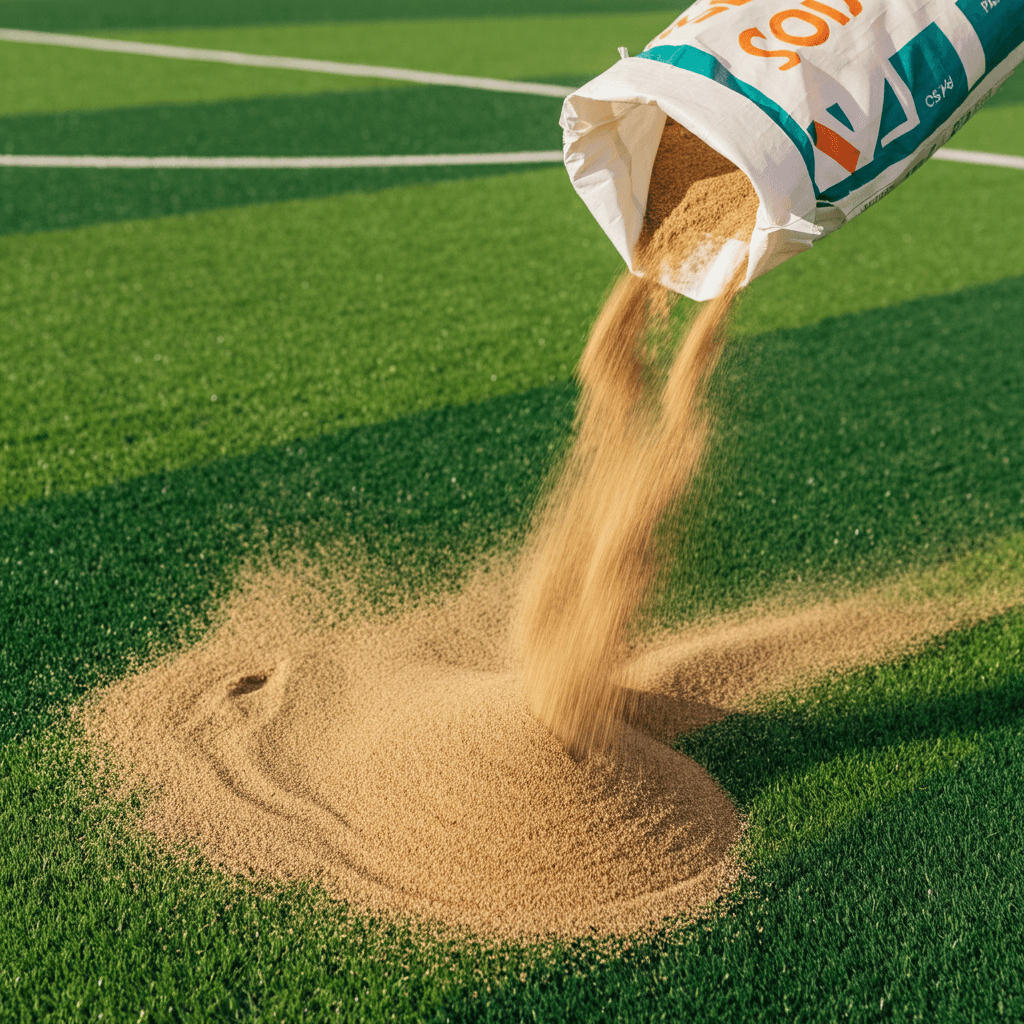
In this article, we will cover three myths surrounding synthetic turf and the supposed need for infill. Don't believe the hype.
Jerry
Owner, AGL Grass North
Transform Your Outdoor Space with Best-In-Class Artificial Grass
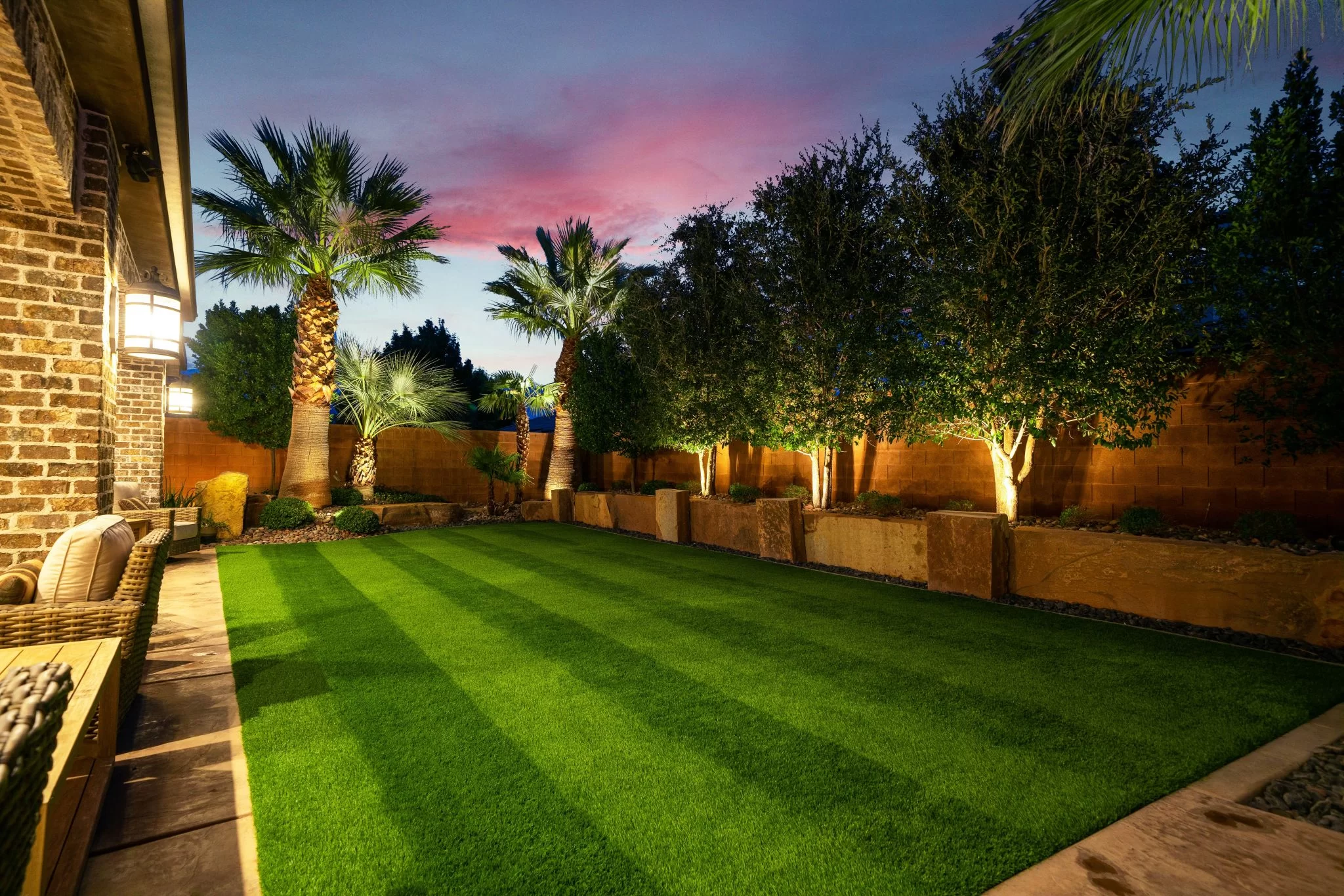
Most guides on artificial grass are written by companies that want to sell you an installed yard, which shapes what they tell you. This one is written by the people who stock the turf. Our showroom sits at 4445 Granite Drive in Rocklin, serving Greater Sacramento, Placer County, the Bay Area, the Central Valley, Reno, and the Pacific Northwest, with nationwide shipping beyond that. What follows is what actually differs between products, what Northern California does to a lawn, and where to go next depending on what you are building.
Jerry
Owner, AGL Grass North